
 Nixon Rex
Gambling addiction, often referred to as compulsive gambling or gambling disorder, is a complex psychological condition that affects millions of individuals worldwide. While gambling may begin as a harmless form of entertainment or social activity, for some, it transforms into a deeply ingrained behavioral compulsion that dominates their thoughts, emotions, and actions. Understanding the psychology of gambling addiction is essential not only for recognizing its symptoms but also for developing effective treatment strategies that address its underlying causes.
Understanding Gambling Addiction
At its core, gambling addiction is a behavioral addiction, similar in many ways to substance abuse. Instead of being driven by chemical dependence on a drug, the compulsion to gamble arises from powerful psychological reinforcements and alterations in brain chemistry. When individuals gamble, their brains release dopamine, the same neurotransmitter associated with pleasure and reward. Over time, this reinforcement creates a feedback loop that encourages continued gambling, even when it results in significant harm.
Gambling addiction is characterized by the inability to control or stop gambling despite negative consequences such as financial loss, strained relationships, or deteriorating mental health. This condition can progress gradually, often starting with occasional betting and escalating to a point where the individual feels compelled to chase losses, bet more frequently, and take greater risks.
The Brain’s Role in Gambling Behavior
The human brain plays a critical role in the development and maintenance of gambling addiction. When a person engages in gambling, regions of the brain responsible for reward and decision-making, such as the ventral striatum and prefrontal cortex, are activated. These areas are also involved in other addictive behaviors like substance abuse.
Dopamine and the Reward System
Dopamine release during gambling creates feelings of excitement and anticipation, especially when near-misses occur—situations where the player almost wins. These near-misses are particularly powerful because they mimic the emotional high of an actual win, encouraging the gambler to keep playing. Studies have shown that even when the outcome is negative, the mere possibility of winning keeps the brain’s reward system engaged.
The Illusion of Control
Another psychological factor contributing to gambling addiction is the illusion of control. Many gamblers believe they can influence outcomes through skill, intuition, or strategy, even when the results are entirely based on chance. This false sense of control sustains the gambler’s belief that they can eventually win back their losses, reinforcing continued play.
Variable Rewards and Conditioning
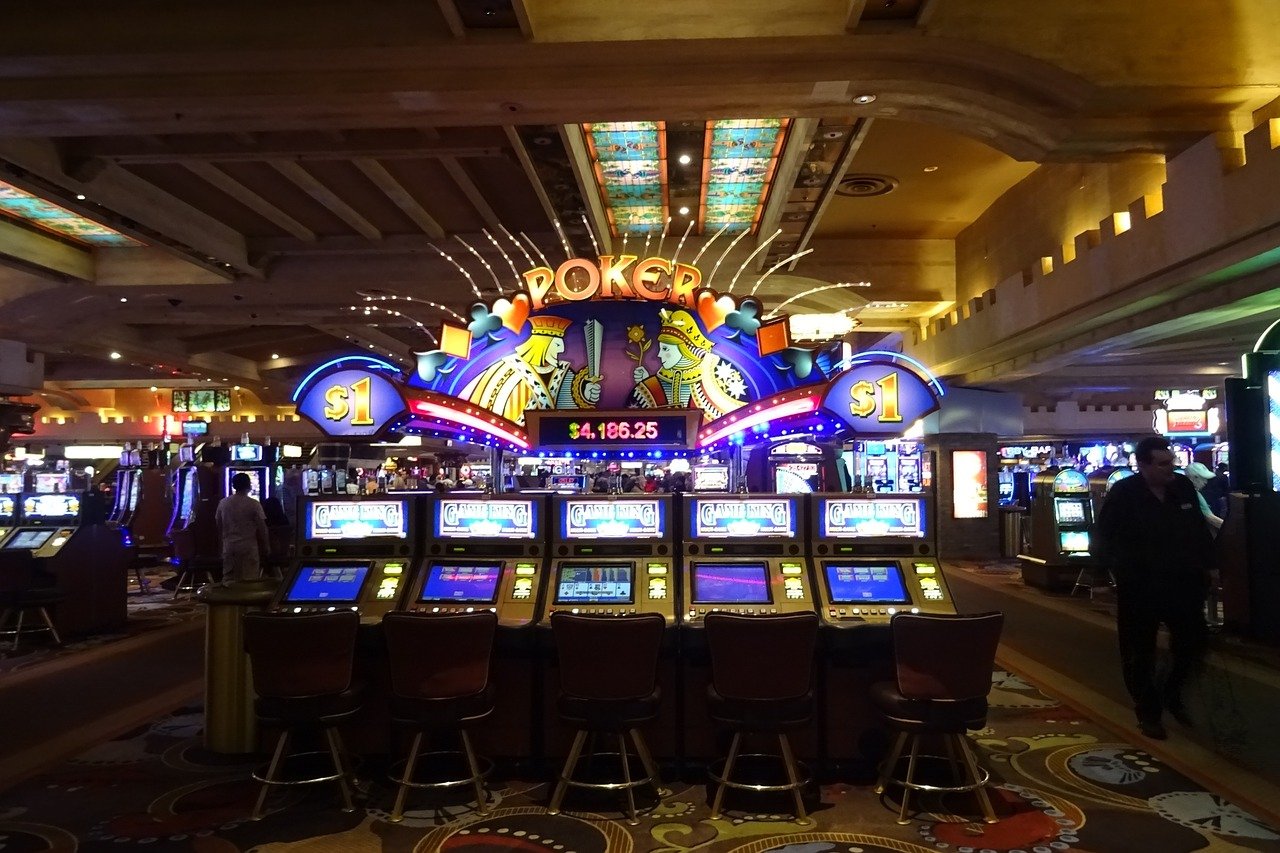
The reward structure in gambling is built on variable ratio reinforcement, one of the most powerful conditioning mechanisms in psychology. This means that rewards (wins) occur at unpredictable intervals. Slot machines, for example, are designed to provide random payoffs, keeping players hooked through anticipation and uncertainty. The unpredictability of rewards stimulates the same neural circuits as drugs like cocaine or amphetamines, making gambling addiction incredibly difficult to overcome.
Emotional and Cognitive Drivers of Gambling Addiction
Beyond brain chemistry, several emotional and cognitive factors contribute to the development of gambling addiction.
Escapism and Emotional Relief
Many individuals turn to gambling as a form of escape from stress, loneliness, anxiety, or depression. The excitement of gambling provides a temporary reprieve from emotional pain, creating a sense of relief that reinforces the behavior. Over time, this coping mechanism becomes habitual, and gambling becomes the primary way to manage negative emotions.
Cognitive Distortions and Irrational Beliefs
Gamblers often experience cognitive distortions—false beliefs that distort their understanding of risk and probability. Common examples include:
- The Gambler’s Fallacy: The belief that past outcomes affect future results, such as thinking a win is “due” after a series of losses.
- Superstitions: Using rituals, lucky charms, or specific routines to influence outcomes.
- Confirmation Bias: Remembering wins more vividly than losses, creating a skewed perception of success.
These distortions create a mental environment that fuels continued gambling and denial of the problem.
Sensation Seeking and Impulsivity
Personality traits such as sensation seeking and impulsivity are also linked to gambling addiction. Individuals with these traits crave high-intensity experiences and have difficulty delaying gratification. The fast-paced nature of gambling, combined with the potential for big rewards, provides the perfect environment for impulsive behavior to thrive.
Social and Environmental Influences
The psychology of gambling addiction cannot be fully understood without considering social and environmental factors.
Social Acceptance and Normalization
In many cultures, gambling is socially accepted and even glamorized in movies, advertisements, and media. Casinos, sports betting, and online gambling platforms promote gambling as a symbol of success, freedom, and excitement. This normalization lowers the perceived risk and makes gambling appear as a socially acceptable pastime.
Accessibility and Technology
The rise of online gambling has made access easier than ever before. Individuals can now gamble from the comfort of their homes, using smartphones or computers. This constant accessibility increases the risk of addiction, particularly among younger generations who are more exposed to digital platforms.
Peer Influence
Friends and social groups can also play a significant role. For some individuals, gambling becomes a way to bond socially or gain approval from peers. This social reinforcement can accelerate the development of addictive patterns, especially when gambling behavior is encouraged or celebrated within a group.
Psychological Consequences of Gambling Addiction
The mental health impact of gambling addiction can be devastating. Individuals often experience intense emotional distress, guilt, and hopelessness as the addiction progresses. Common psychological consequences include:
- Anxiety and Depression: Persistent financial and emotional stress leads to severe anxiety and depressive episodes.
- Obsessive Thinking: The mind becomes consumed by gambling-related thoughts, such as strategies, losses, and opportunities to play again.
- Low Self-Esteem: Chronic losses and failed attempts to quit erode confidence and self-worth.
- Suicidal Ideation: In severe cases, individuals may contemplate suicide due to overwhelming debt or despair.
Treatment and Recovery Approaches
Overcoming gambling addiction requires addressing both its psychological and behavioral components. Effective treatment combines therapy, support networks, and behavioral interventions.
Cognitive Behavioral Therapy (CBT)
CBT is one of the most successful treatments for gambling addiction. It helps individuals identify and challenge cognitive distortions, learn new coping skills, and develop healthier ways of managing stress and emotions.
Motivational Interviewing
This therapeutic approach focuses on enhancing an individual’s motivation to change. It helps gamblers confront their ambivalence about quitting and reinforces commitment to recovery goals.
Support Groups and Peer Programs
Organizations like Gamblers Anonymous (GA) provide community-based support for individuals struggling with addiction. These groups offer accountability, shared experiences, and emotional support, which are vital for long-term recovery.
Medication and Behavioral Therapy
In some cases, medications that regulate dopamine or treat underlying depression and anxiety may be used in conjunction with therapy. Behavioral interventions such as self-exclusion programs can help individuals restrict their access to gambling environments.
Prevention and Awareness
Preventing gambling addiction involves education, regulation, and early intervention. Public awareness campaigns can help dispel myths about gambling and promote responsible gaming habits. Families and schools play a crucial role in teaching younger individuals about financial literacy and the psychological risks associated with gambling.
FAQs
What are the first signs of gambling addiction?
Early signs include lying about gambling habits, spending more money than intended, and feeling restless or irritable when trying to stop.
Can gambling addiction be cured completely?
While there is no absolute “cure,” many individuals achieve long-term recovery through therapy, lifestyle changes, and consistent support.
Is gambling addiction hereditary?
Research suggests a genetic component may exist, meaning individuals with family histories of addiction are more susceptible.
How can families support someone with gambling addiction?
Families can offer nonjudgmental support, encourage professional help, and set financial boundaries to prevent further harm.
Does online gambling increase addiction risk?
Yes. The convenience and privacy of online platforms make it easier for individuals to gamble excessively without detection.
Understanding the psychology of gambling addiction sheds light on why this condition is so persistent and difficult to overcome. By examining the interplay of brain chemistry, emotional triggers, and social influences, we can better design prevention strategies and interventions that help individuals regain control of their lives.