Online Poker vs Live Poker: Pros and Cons
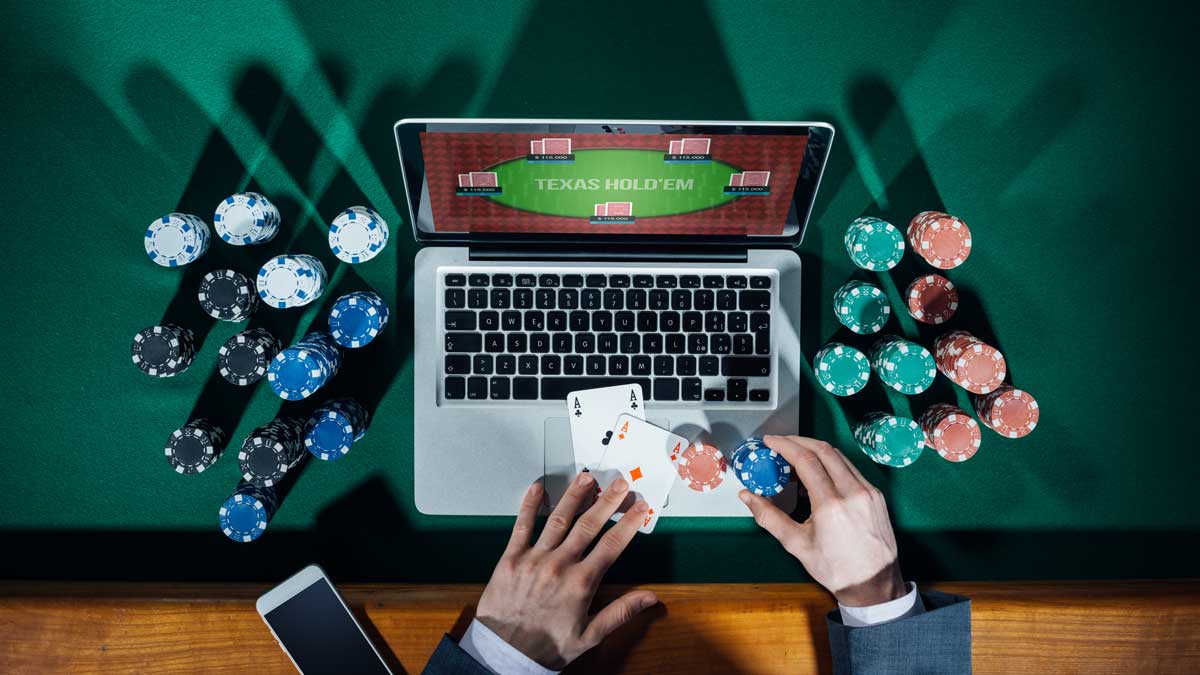
Poker has evolved dramatically in the last two decades, shifting from smoky casino rooms to digital platforms accessible around the world. While both online poker and live poker share the same fundamental rules and hand rankings, their playing experiences are vastly different. Each format offers unique advantages and challenges that shape a player’s strategy, skill development, and overall enjoyment of the game. Understanding the pros and cons of online poker vs live poker can help you decide where your strengths lie and how to optimize your performance in each environment.
Understanding the Core Differences Between Online and Live Poker
Before diving into detailed comparisons, it’s important to understand what sets the two apart. Online poker takes place on digital platforms, where players use virtual chips and automated systems to manage bets and pots. Live poker, on the other hand, involves face-to-face interaction at a casino or home game, where human behavior, timing, and physical presence play a major role.
While both aim for the same goal—winning chips through skillful play—the way players gather information, make decisions, and read opponents differs significantly. These distinctions influence everything from strategy to bankroll management.
The Advantages of Online Poker
Online poker has exploded in popularity for good reason. It offers convenience, speed, and accessibility unmatched by traditional tables. Here are the most notable benefits.
1. Convenience and Accessibility
Online poker provides instant access to games 24/7 from anywhere with an internet connection. Players can log in and join tables within seconds without worrying about travel, dress codes, or casino schedules.
For those looking to practice frequently or play multiple short sessions, online poker is ideal. It also allows participation in international tournaments without leaving home, broadening opportunities to compete against a diverse range of players.
2. Volume and Speed of Play
Online platforms allow you to play multiple tables simultaneously, dramatically increasing the number of hands you can experience per hour. In a live casino, you might play 25–30 hands per hour; online, you can play 100 or more.
This speed allows faster skill development because you encounter a wider variety of situations in less time. For players working to refine their strategy or achieve specific volume goals, this efficiency is invaluable.
3. Lower Stakes and Flexible Buy-ins
Online poker offers a wide range of stakes, including micro-limits that let beginners practice without significant financial risk. Players can find games starting at just a few cents, making the learning curve more affordable.
Additionally, online poker sites often run freeroll tournaments, providing real money prizes without any buy-in. This flexibility benefits players of all levels, from casual hobbyists to serious grinders.
4. Game Variety and Customization
Online poker platforms feature an extensive selection of game types, including Texas Hold’em, Omaha, Seven-Card Stud, and unique variants like Spin & Go or Zoom Poker.
Players can also choose from cash games, Sit & Go tournaments, or multi-table tournaments depending on their preferences. The ability to customize blinds, table size, and game speed makes online poker adaptable to every playing style.
5. Data Analysis and Tracking Tools
One of the biggest advantages of online poker is access to tracking software and hand histories. These tools allow players to review performance, analyze tendencies, and identify leaks in their strategy.
Features such as HUDs (Heads-Up Displays) provide real-time statistics about opponents, helping advanced players make mathematically informed decisions. This level of analysis is impossible in live poker and can significantly accelerate improvement.
The Disadvantages of Online Poker
While online poker offers numerous benefits, it also comes with distinct drawbacks that can affect long-term performance and enjoyment.
1. Lack of Physical Tells and Social Interaction
In live poker, body language, facial expressions, and timing provide valuable insight into opponents’ hands. Online poker removes these visual cues entirely, forcing players to rely solely on betting patterns and timing.
This absence of social interaction can also make the game feel less personal, especially for those who enjoy the camaraderie and tension of live tables.
2. Risk of Multitasking Fatigue
Playing multiple tables simultaneously may increase profits, but it also leads to cognitive fatigue. Constant decision-making and screen switching can reduce focus and lead to mistakes.
Without regular breaks or mental resets, even experienced players can fall into autopilot mode, diminishing their edge.
3. Potential for Technical Issues
Internet connectivity, software bugs, or server outages can interrupt gameplay, causing missed hands or lost pots. While rare, these disruptions are a constant risk in the digital environment and can affect your bankroll if they occur at critical moments.
4. Higher Presence of Skilled Players
Online poker attracts a global pool of competitors, many of whom use software and data analytics to optimize play. As a result, the overall skill level in online games is often higher than in local live games.
Beginners might find it challenging to compete without studying advanced strategies or using similar tools.
5. Emotional Detachment and Bankroll Mismanagement
Because online poker uses digital chips instead of physical money, players can become emotionally detached from their bankroll. This can lead to impulsive decisions, over-betting, or chasing losses more easily than in live settings.
Responsible bankroll management is crucial when playing online to prevent emotional tilt and long-term losses.
The Advantages of Live Poker
For many, live poker offers an unmatched experience that blends skill, psychology, and atmosphere. It brings the traditional essence of the game to life, combining mental strategy with human interaction.
1. Reading Opponents Through Physical Tells
In live poker, subtle cues—such as eye movement, hand tremors, or betting hesitation—can reveal an opponent’s strength or weakness. Mastering these physical tells gives you a psychological edge unavailable in online play.
Experienced players can exploit these signals to manipulate opponents and control the table dynamic.
2. Enhanced Emotional Engagement
Playing face-to-face heightens tension, excitement, and emotional involvement. Every chip feels more tangible, every bluff riskier.
This connection makes live poker deeply immersive and often more rewarding for those who thrive on interpersonal competition.
3. Slower Pace Promotes Thoughtful Decisions
Live poker’s slower pace allows more time for decision-making and observation. Players can analyze their position, hand strength, and table dynamics without rushing.
This can be particularly beneficial for newer players learning fundamental strategy and emotional control.
4. Lower Variance in Casual Games
Local live games often feature less experienced players compared to online tables. The slower pace and lack of advanced software mean variance can be easier to manage, allowing for more predictable outcomes over time.
5. Authentic Casino Atmosphere
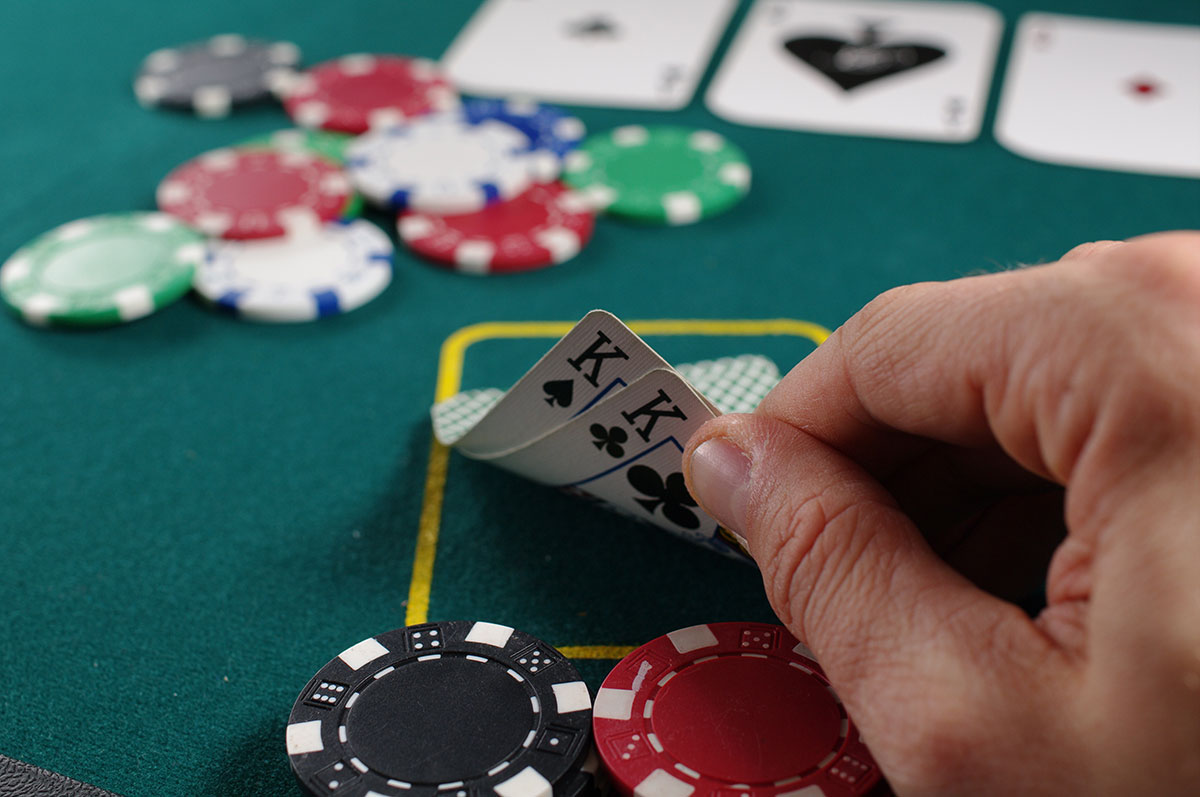
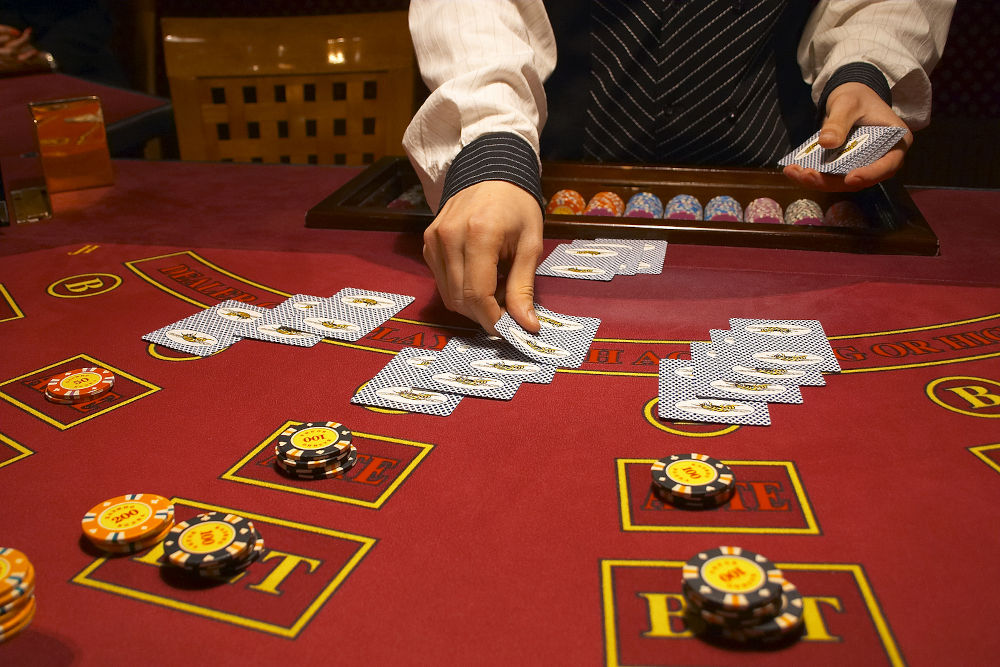
The tactile feel of chips, the sound of shuffling cards, and the physical energy of opponents create a sense of authenticity that online poker cannot replicate.
This atmosphere adds to the thrill and social connection, making live poker a favorite for those who view the game as more than just a competition.
The Disadvantages of Live Poker
Despite its immersive appeal, live poker presents its own set of challenges that can hinder accessibility and efficiency.
1. Limited Availability and Higher Costs
Live poker requires travel, time, and often significant buy-ins. Casino rake fees, dealer tips, and additional expenses like food and transportation increase overall costs.
Unlike online poker, you can’t play whenever you want, which limits volume and practice opportunities.
2. Slower Game Flow
A typical live game might deal 25 hands per hour compared to over 100 online. This reduced pace slows both learning and earnings potential, especially for players relying on volume-based strategies.
3. Emotional Pressure and Social Fatigue
Live poker can be intimidating, particularly for beginners. Managing social dynamics, reading body language, and maintaining composure under pressure can be mentally exhausting after long sessions.
4. Limited Statistical Data
Unlike online platforms, live games don’t offer hand histories or tracking tools. Players must rely on memory and manual note-taking, which increases the risk of oversight or bias in decision-making.
Strategic Considerations: Choosing Between Online and Live Poker
The decision between online and live poker depends on your personal goals, lifestyle, and skill development priorities.
- If you value convenience, speed, and analytics, online poker is your best option.
- If you thrive on human interaction, emotional reads, and a traditional atmosphere, live poker offers deeper engagement.
Many professional players blend both, using online poker to practice volume-based strategy and live games to refine psychological and emotional control.
FAQs about Online Poker vs Live Poker
Q1. Can a player be successful in both online and live poker?
Yes, many professionals excel in both. The key is adapting strategies to each format’s unique pace and environment.
Q2. Which version is better for beginners?
Online poker offers lower stakes and more practice opportunities, making it ideal for learning fundamentals. However, live poker helps beginners develop patience and discipline.
Q3. Are tells useful in online poker?
While physical tells are absent, online poker offers timing tells—such as how quickly a player bets or checks—which can provide useful information.
Q4. Is it easier to make money online or live?
Online poker offers more volume and lower costs, but live poker often has weaker fields. Profitability depends on personal skill, discipline, and adaptability.
Q5. How can I transition from online to live poker successfully?
Start by playing small-stakes local games, focus on reading body language, and adjust to the slower pace. The key difference is emotional management and patience.
Understanding the dynamics of Online Poker vs Live Poker: Pros and Cons allows players to make informed decisions that align with their personal playing style and goals. Both formats offer valuable learning experiences, and mastering each can turn a skilled player into a complete, well-rounded competitor.