 Nixon Rex
Poker is more than just a card game—it’s a blend of strategy, psychology, skill, and calculated risk-taking. Whether you’re sitting at a casino table or joining a friendly home game, understanding the fundamentals is essential to enjoying the experience and improving your chances of success. This complete beginner’s guide to playing poker breaks down every major aspect of the game, from basic rules and hand rankings to betting strategies, body language reading, and mental discipline.
Understanding the Essence of Poker
At its core, poker is a game of skill, probability, and human psychology. Unlike pure games of chance, poker rewards players who can make logical decisions based on incomplete information. Successful players analyze patterns, calculate odds, and interpret opponents’ behavior. The primary goal in poker is to win chips or money by forming the best possible hand or convincing opponents to fold through strategic betting.
The most popular version of the game today is Texas Hold’em, played both online and in casinos around the world. However, all poker variants share fundamental rules regarding hand rankings and betting structure.
The Basics: How Poker Works
Poker typically uses a standard 52-card deck. The game progresses in rounds where players receive cards, place bets, and try to win the pot—the total amount wagered during a hand. Each player must decide whether to bet, call, raise, or fold based on the strength of their cards and the actions of others.
Objective of the Game
The objective is simple: win chips by having the best hand at showdown or forcing opponents to fold before reaching that stage. Each decision you make affects your long-term profitability, which is why understanding both the mathematical and psychological components is essential.
Common Poker Terms
Before diving deeper, familiarize yourself with a few key terms:
- Blinds: Mandatory bets placed before the cards are dealt to create initial action.
- Flop: The first three community cards dealt face-up on the table.
- Turn: The fourth community card.
- River: The fifth and final community card.
- Pot: The total amount of money or chips wagered in a hand.
- Fold: To discard your hand and forfeit any chance of winning the pot.
- Call: To match the current bet.
- Raise: To increase the bet amount.
- Check: To pass the action to the next player without betting, provided no one else has bet.
Understanding Poker Hand Rankings
Knowing hand rankings is crucial, as your goal is to make the strongest combination possible using five cards. Here’s the hierarchy from highest to lowest:
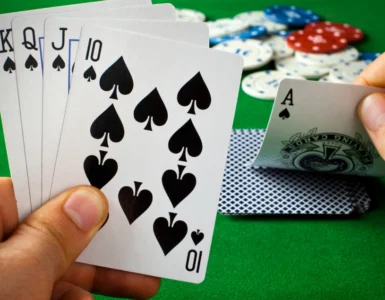
- Royal Flush: A, K, Q, J, 10 of the same suit. The rarest and most powerful hand in poker.
- Straight Flush: Five consecutive cards of the same suit. Example: 5♣ 6♣ 7♣ 8♣ 9♣.
- Four of a Kind: Four cards of the same rank. Example: 9♠ 9♦ 9♥ 9♣ 4♦.
- Full House: Three of a kind plus a pair. Example: K♣ K♦ K♠ 7♥ 7♦.
- Flush: Five cards of the same suit, not in sequence. Example: 2♣ 6♣ 10♣ Q♣ K♣.
- Straight: Five consecutive cards of mixed suits. Example: 4♦ 5♠ 6♥ 7♣ 8♦.
- Three of a Kind: Three cards of the same rank. Example: 10♠ 10♦ 10♥ 3♣ 8♦.
- Two Pair: Two different pairs. Example: J♣ J♦ 6♠ 6♥ 2♦.
- One Pair: Two cards of the same rank. Example: A♠ A♦ 9♣ 5♠ 3♥.
- High Card: When no other hand is formed, the highest card wins. Example: A♣ 10♦ 7♠ 4♣ 2♦.
Understanding hand strength helps you make better betting decisions and recognize when to fold or bluff.
How a Poker Game Flows
A standard game of Texas Hold’em unfolds in the following stages:
- Blinds are posted by two players to initiate betting.
- Hole cards are dealt face-down to each player.
- Pre-Flop: Players act based on their hole cards by folding, calling, or raising.
- Flop: Three community cards are revealed. Players evaluate combinations and bet again.
- Turn: A fourth card is revealed, leading to another betting round.
- River: The fifth and final card is revealed. Players make final bets.
- Showdown: Remaining players reveal hands, and the best five-card combination wins the pot.
Essential Strategies for Poker Beginners
To excel in poker, understanding strategy is as important as knowing the rules. The difference between amateurs and skilled players lies in decision-making consistency and discipline.
Start with Selective Hands
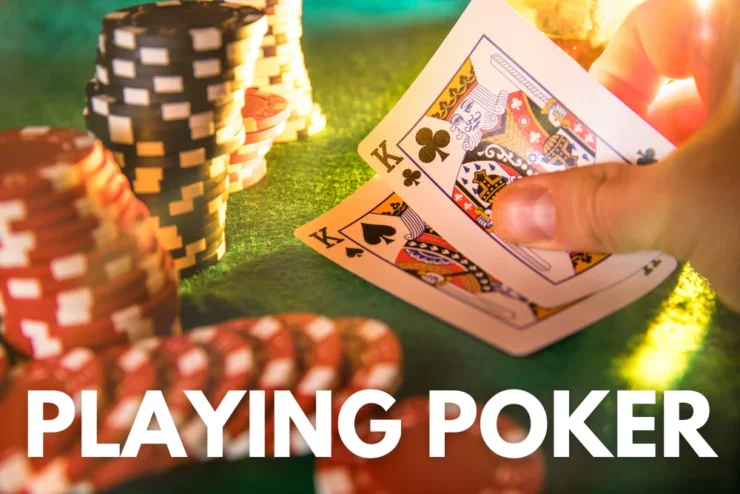
New players often make the mistake of playing too many hands. Strong starting hands such as high pairs (A-A, K-K, Q-Q) or high connectors (A-K, K-Q) offer a better chance of winning. Fold weaker hands early to conserve chips for stronger opportunities.
Position is Power
Your seat at the table matters. The later your position, the more information you have about others’ actions before making your move. Being in a late position allows you to make more calculated decisions and control the pot’s size effectively.
Observe and Adapt
Poker is as much about reading people as it is about reading cards. Pay attention to your opponents’ betting patterns, timing, and body language. Small details—like hesitation before betting or sudden confidence—can indicate hand strength or bluffing attempts.
Master the Art of Bluffing
Bluffing is a critical part of poker strategy, but it must be used sparingly and intelligently. A well-timed bluff can win you a pot even with a weak hand, but overusing it leads to predictability. The key is maintaining a balance between genuine bets and deceptive plays.
Bankroll Management
Responsible gambling begins with proper bankroll management. Set aside a specific amount for poker and never gamble money needed for essentials. Many professional players recommend risking no more than 5% of your bankroll in a single game.
Understand Pot Odds and Probability
Learning to calculate pot odds helps you decide whether calling a bet is statistically profitable. Pot odds represent the ratio between the current size of the pot and the cost of a contemplated call. Comparing pot odds with your winning probability allows you to make rational, mathematical decisions instead of emotional ones.
Common Mistakes to Avoid in Poker
Beginners often make predictable errors that can be easily corrected with awareness. Avoid the following:
- Playing too many hands out of boredom or curiosity.
- Ignoring position advantages.
- Chasing losses with reckless bets.
- Letting emotions dictate decisions after a bad beat.
- Overvaluing mediocre hands like middle pairs or suited low cards.
Discipline is the foundation of long-term poker success. Smart players know when to walk away, even when tempted to chase a loss.
Developing Mental Toughness
Poker is as much a mental game as it is mathematical. Emotional control separates great players from good ones. Variance ensures that even the best hands sometimes lose. Accepting this reality prevents emotional tilt—a state where frustration leads to poor decisions.
Cultivate patience, confidence, and focus. Practice mindfulness techniques or short breaks during sessions to reset your mindset and make rational decisions.
Poker Etiquette and Table Conduct
Respect and professionalism go a long way in poker. Following etiquette makes the game more enjoyable and maintains your credibility. Basic rules include:
- Acting in turn and avoiding slow play.
- Not revealing your hand prematurely.
- Avoiding “angle shooting” or unethical tactics.
- Being courteous to dealers and fellow players.
- Keeping emotions in check regardless of outcomes.
Good conduct fosters a positive playing environment and ensures smoother gameplay for everyone.
Advancing Beyond the Basics
Once you’ve mastered the fundamentals, advancing in poker involves studying advanced strategies such as hand ranges, exploitative play, and game theory optimization (GTO). Many successful players analyze their past hands using software tools and track their performance over time.
Participating in low-stakes tournaments or online games can also accelerate learning through exposure to different playing styles and scenarios. Remember, consistent improvement in poker comes from experience, study, and reflection—not luck alone.
FAQs
What is the best poker game for beginners?
Texas Hold’em is the most beginner-friendly and widely played version, offering simple rules yet deep strategic depth.
How can I tell if I have a strong starting hand?
Pairs like A-A, K-K, and Q-Q, as well as high-suited connectors like A-K or K-Q, are considered premium starting hands.
Is poker more about luck or skill?
While luck influences short-term outcomes, skill and strategy determine long-term success. The best players consistently make profitable decisions over time.
How do I know when to bluff?
Bluff when the situation supports your story. If your betting pattern logically suggests a strong hand and your opponent seems uncertain, a bluff can succeed.
Can poker help improve decision-making in real life?
Yes. Poker enhances analytical thinking, emotional control, and risk assessment—skills that translate well into business and personal decision-making.
Learning the complete beginner’s guide to playing poker provides a solid foundation for entering the world of strategic gaming with confidence. By combining discipline, awareness, and mathematical insight, you can turn each session into an opportunity for skillful play rather than mere chance.