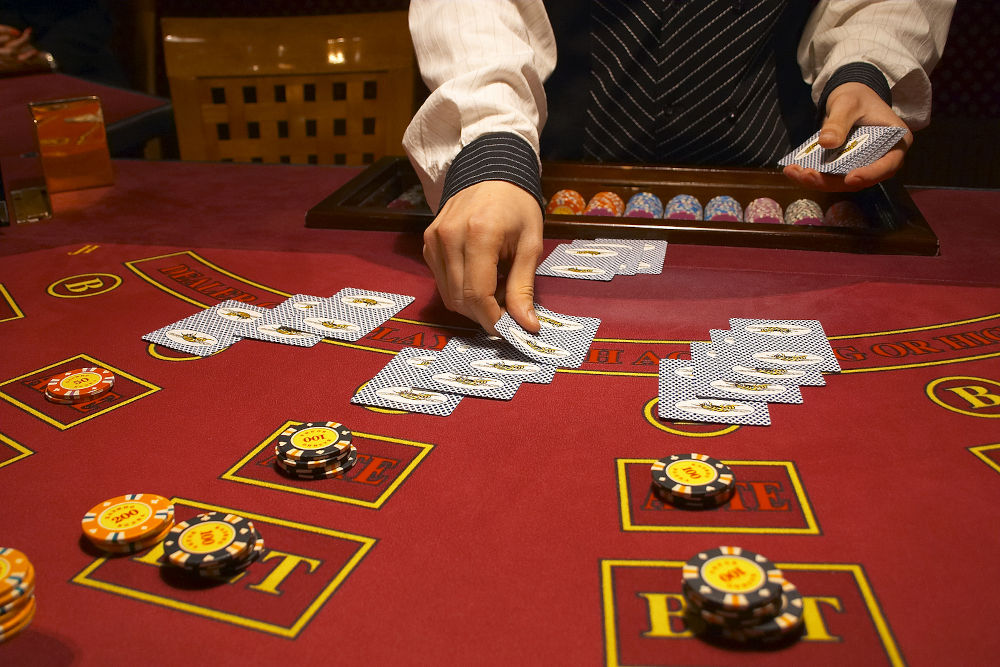
The Evolution of Casino Architecture: Why There Are No Clocks or Windows
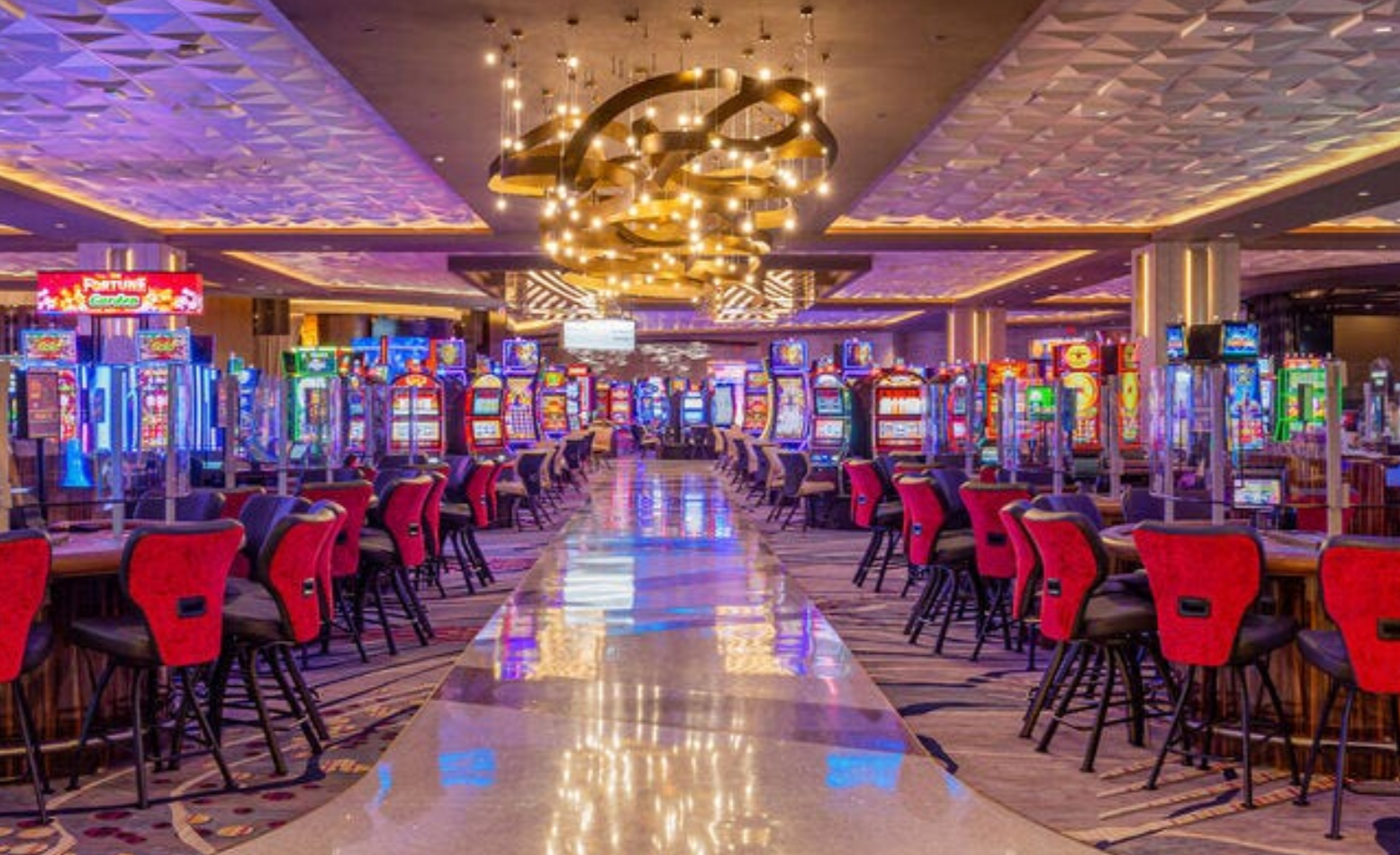
Step into any major land-based gambling establishment anywhere in the world, and you will immediately notice a strange architectural phenomenon. The vast gaming floors are entirely devoid of wall clocks, and you will search in vain for a window showing the outside sky. This design choice is not an accidental oversight by lazy architects or a byproduct of building massive structures deep within entertainment complexes. It is a deliberate, highly calculated application of environmental psychology and structural engineering designed to alter human time perception, isolate visitors from the outside world, and encourage prolonged play.
The Psychology of Temporal Disorientation
Human beings rely heavily on environmental cues to track the passage of time. The sun rising and setting, the changing color of natural light, and the simple glance at a wall clock help the brain regulate daily schedules, fatigue levels, and financial decisions. When you strip these temporal markers away, a psychological state known as time distortion occurs.
Inside a windowless, clock-free casino, the environment remains completely uniform whether it is three in the afternoon or three in the morning. Artificial lighting stays perfectly calibrated, air conditioning maintains a constant temperature, and the ambient noise of spinning reels and shuffling cards creates a continuous loop of sensory engagement. Deprived of external reference points, the human brain stops monitoring how many hours have passed. Players stop thinking about their morning commutes, impending responsibilities, or the late hour, focusing entirely on the immediate thrill of the game.
The Evolution from Labyrinth Layouts to Modern Open Spaces
Casino architecture has undergone a fascinating evolution over the past several decades, shifting from aggressive containment models to more sophisticated psychological environments. During the mid-twentieth century, casino design was heavily influenced by theories that prioritized claustrophobic, maze-like structures. Architects built low ceilings, narrow winding pathways, and intentionally obscured exits to keep players trapped in a dense web of slot machines and gaming tables.
As the industry matured into the integrated resort era, architectural philosophies adapted. Modern architects recognized that luxury and comfort are far more effective at keeping people inside a building than aggressive entrapment. Today’s mega-resorts feature soaring ceilings, opulent materials, and grand open atriums. However, even within these multi-billion-dollar architectural marvels, the core principle remains completely unchanged. While the hallways opened up and the decor became grander, the strategic exclusion of clocks and natural light persisted because it remains the single most effective method for maintaining player engagement.
Controlling Sensory Input Through Lighting and Sound
The total absence of windows forces complete reliance on artificial lighting, which casino designers manipulate with surgical precision. The lighting on a gaming floor is carefully balanced to create a warm, inviting, yet hyper-focused atmosphere. Overhead fixtures cast a gentle, flattering glow on the tables while brighter, dynamic spotlights highlight the active slot machines and high-stakes wheels. This creates an illuminated bubble where the rest of the universe fades away.
Sound engineering works in tandem with lighting to reinforce this isolation. You will rarely hear a loud announcement or a jarring alarm from the outside street. Instead, the acoustic profile of a casino floor is carefully mixed to feature the rhythmic chime of winning payouts, the low hum of conversation, and subtle background music. This continuous auditory stream acts as a sensory blanket, masking external noise and keeping the player alert, relaxed, and deeply immersed in the gaming environment.
The Business Logic Behind Spatial Isolation
From a purely financial perspective, architectural design choices that extend the length of a guest visit directly correlate with profitability. Casinos are massive capital investments that require continuous revenue generation to sustain operations. When players lose track of time, their average duration on the gaming floor increases significantly.
Extended stays lead naturally to higher wager volumes and increased cumulative spending over the course of an evening. By removing structural triggers that prompt a person to check their watch and think about leaving, such as a setting sun or a ticking clock, the physical layout removes friction from the entertainment experience. Guests stay because they feel comfortable, relaxed, and entirely detached from ordinary routine, fulfilling the ultimate commercial objective of the property’s design team.
The Shift Toward Ethical Architecture and Transparency
In recent years, modern architectural standards have begun to evolve in response to growing conversations around consumer protection and responsible gaming. Regulatory bodies and forward-thinking operators have started introducing design elements that give players greater clarity and control over their environment.
Many newer properties incorporate well-marked, easily accessible exits, designated low-stimulation rest zones, and subtle design cues that remind guests to take breaks. While the traditional ban on wall clocks and exterior windows remains standard practice across the gaming floors of major destinations, the surrounding infrastructure is slowly shifting toward a more transparent, balanced approach that values long-term guest well-being alongside commercial success.
Frequently Asked Questions
Did historical casinos always ban clocks, or did the practice start later?
The practice of omitting clocks from gambling floors gained widespread popularity during the mid-twentieth century as casino operators began systematically studying consumer behavior and applying environmental psychology to architecture to maximize engagement.
Do modern mobile devices make the lack of wall clocks irrelevant?
While most visitors carry smartphones that display the exact time, psychologists note that people rarely check their phones for time while actively engaged in a fast-paced game. The physical absence of prominent clocks removes the passive, subconscious reminder that prompts a person to check their device in the first place.
Are there any legal regulations requiring casinos to have windows or clocks?
Very few jurisdictions legally mandate the inclusion of clocks or windows on active gaming floors, leaving the structural layout largely up to the architectural discretion of the resort operators and local building codes.
How do high-limit VIP rooms handle lighting and windows differently?
Some ultra-luxury high-roller villas or private salons occasionally feature floor-to-ceiling windows overlooking private gardens or exclusive views, but these spaces are strictly cordoned off and designed to cater to elite clientele who operate under different psychological incentives than standard mass-market visitors.
What role do carpets play in supporting the closed-environment effect?
Casinos deliberately use complex, high-contrast, and visually intense carpet patterns throughout the gaming floor. This design choice draws the eye downward or straight ahead toward the games while preventing the floor from feeling monotonous or inviting guests to sit down on the carpet and rest.
How do online digital platforms replicate the windowless casino effect?
Online casinos and mobile gambling applications achieve the exact same psychological isolation digitally by eliminating system clocks from the game interface, using dark-mode aesthetics, and sending endless notifications that keep users immersed without any visual cue of passing time.
Why do some integrated resorts feature large glass atriums if they block windows on the gaming floor?
Integrated resorts often feature massive glass domes and skylights in non-gaming areas such as shopping malls, lobbies, and botanical gardens. However, these architectural features are strategically separated from the actual gaming floor, serving as transition zones that draw visitors in while keeping the core gambling areas entirely insulated from direct natural light.