
 Nixon Rex
The story of modern online casinos is a fascinating journey that mirrors the rapid growth of technology and the transformation of global entertainment habits. What started as a simple experiment in digital gaming has now become a multi-billion-dollar industry that attracts millions of players worldwide. The evolution of modern online casinos is a testament to innovation, user experience, and the continuous blending of real-world excitement with digital convenience.
The Early Foundations of Online Gambling
From Traditional Casinos to Digital Platforms
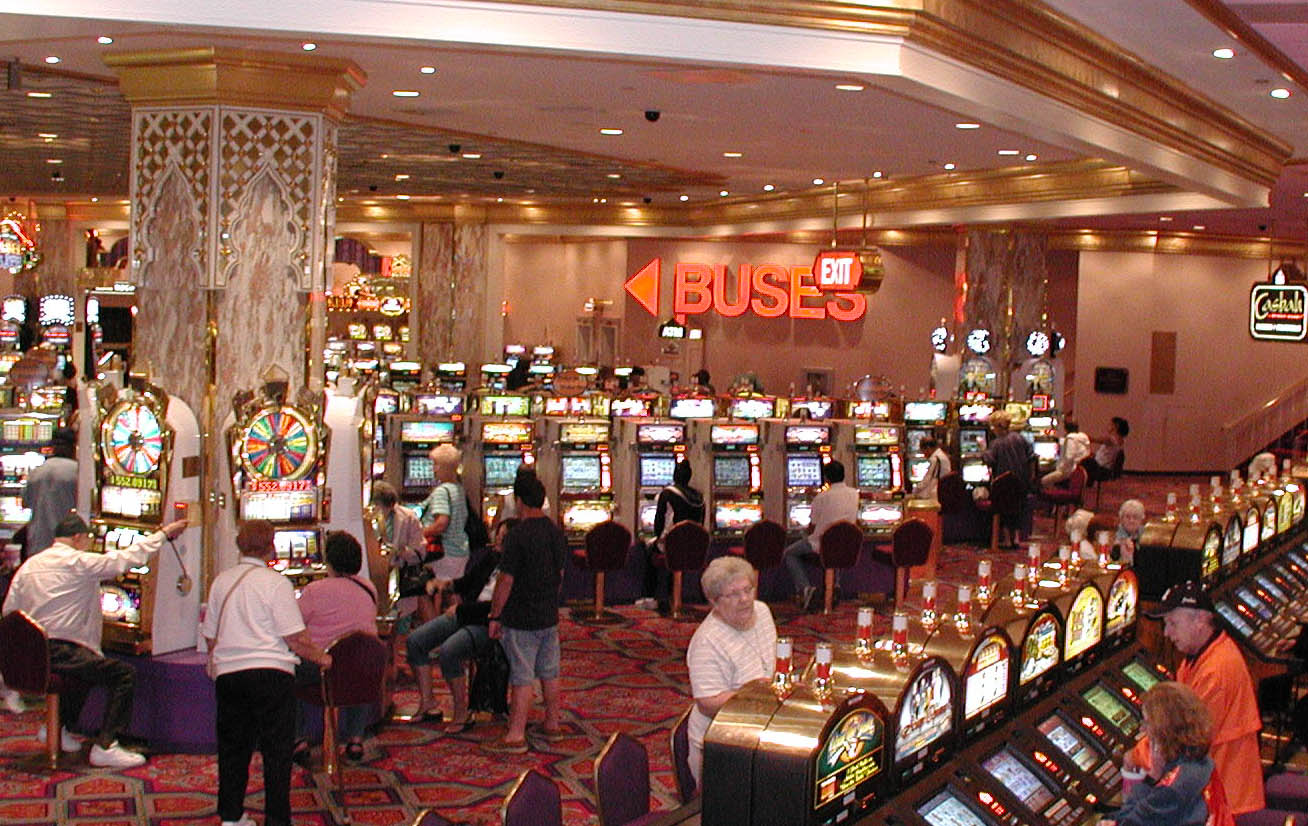
Long before online casinos existed, traditional land-based casinos dominated the gambling world. They were physical spaces filled with slot machines, card tables, and the electric energy of live entertainment. However, with the rise of the internet in the early 1990s, developers and entrepreneurs saw an opportunity to bring this experience to a global audience without geographical limits. The concept of remote gambling began to take shape, paving the way for what would become a revolutionary digital industry.
The First Online Casinos
The first generation of online casinos emerged around 1996. These early platforms were simplistic compared to modern standards, offering only a limited selection of games and basic graphics. However, they laid the foundation for a new form of entertainment—accessible, convenient, and global. Players could now wager real money from home, and online payment systems began evolving to support secure transactions. The novelty of being able to play from anywhere was revolutionary, and early adopters quickly fueled the market’s growth.
The Rise of Software Providers and Gaming Technology
Evolution of Casino Software
As online casinos became more popular, software companies began developing more advanced platforms. The early 2000s saw major progress in terms of graphics, animation, and sound effects, transforming simple games into immersive experiences. Random Number Generator (RNG) technology was introduced to ensure fair play, building player trust in a market that was still gaining legitimacy.
Introduction of Live Dealer Games
One of the most transformative moments in the history of online casinos came with the introduction of live dealer games. Instead of playing against computer simulations, players could now interact with real human dealers via live video streams. This innovation combined the authenticity of a land-based casino with the convenience of online play, enhancing engagement and trust among users. Live dealer games helped online casinos attract a broader audience, including those who preferred the social atmosphere of physical venues.
The Mobile Revolution
Online Casinos Go Mobile
The launch of smartphones changed everything. Mobile technology redefined how people consumed digital entertainment, and online casinos adapted quickly. The 2010s marked a new era where mobile-optimized websites and apps allowed players to enjoy their favorite games anytime and anywhere. This accessibility made online casinos more inclusive and convenient, boosting user engagement and revenue.
Responsive Design and Seamless Integration
To support this shift, casinos began implementing responsive designs that automatically adjusted to any device screen. Touch controls replaced traditional clicks, and gaming interfaces became more intuitive. The focus shifted toward user experience, faster load times, and smoother gameplay. Mobile compatibility became essential for success, leading to the rise of dedicated mobile casino apps that offered exclusive bonuses and features.
The Impact of Regulation and Licensing
Building Trust Through Legal Frameworks
As the online casino industry grew, so did concerns about security, fairness, and responsible gambling. Governments and regulatory bodies worldwide began introducing strict licensing frameworks to protect players. Licensed operators were required to meet rigorous standards of transparency, data protection, and financial integrity. This shift toward regulation helped eliminate fraudulent operators and gave legitimate online casinos a strong foundation for long-term sustainability.
Responsible Gaming and Player Protection
Modern online casinos also started implementing responsible gaming measures to promote safe gambling habits. Tools such as deposit limits, self-exclusion programs, and reality checks became standard features. The focus on player well-being reinforced the industry’s credibility and improved its public perception, moving away from the unregulated image of early online gambling.
The Integration of Modern Technologies
Artificial Intelligence and Machine Learning
Artificial intelligence has become a powerful force in the modern casino ecosystem. From fraud detection to personalized gaming recommendations, AI algorithms analyze player behavior to create safer and more engaging experiences. Casinos now use AI to detect problem gambling patterns, automate customer support, and tailor promotions to individual users. This personalization has dramatically improved user retention and satisfaction.
Virtual Reality and Augmented Reality Gaming
The latest phase in the evolution of modern online casinos involves immersive technology. Virtual reality (VR) and augmented reality (AR) are bringing casino environments to life in three-dimensional spaces. Players can now walk through virtual lobbies, sit at interactive tables, and interact with other participants in real time. These innovations blur the line between digital and physical gaming, offering experiences that are both realistic and futuristic.
Blockchain and Cryptocurrency Integration
The introduction of blockchain technology has further revolutionized online casinos. Transparent blockchain ledgers provide verifiable game fairness, while cryptocurrency transactions offer anonymity and faster withdrawals. Many modern platforms now support Bitcoin and other digital currencies, appealing to a new generation of tech-savvy players who value security, privacy, and decentralization.
The Social Aspect of Online Casinos
Community and Live Interaction
Online casinos are no longer isolated gaming platforms—they are dynamic social environments. Live chat features, multiplayer games, and real-time tournaments encourage social interaction among players. The integration of gamification elements, such as achievements, loyalty points, and leaderboards, adds an extra layer of engagement that keeps players coming back.
eSports and Casino Crossover
Interestingly, the modern casino industry has begun intersecting with the booming eSports sector. Some online casinos now feature competitive gaming arenas where players can bet on video game outcomes or participate in skill-based competitions. This crossover between gambling and gaming reflects the cultural shift toward digital entertainment as a whole.
The Future of Online Casinos
Artificial Intelligence-Driven Personalization
The future of online casinos will rely heavily on data analytics and AI-driven personalization. Predictive algorithms will anticipate player preferences, delivering tailored content, rewards, and experiences in real time. This will lead to a more immersive and satisfying experience that feels almost human in nature.
Greater Emphasis on Security
Cybersecurity will continue to be a major focus. As digital transactions increase, online casinos will adopt stronger encryption, biometric authentication, and zero-trust frameworks to protect user data. Transparent auditing through blockchain technology will become standard, further enhancing trust between players and operators.
Global Expansion and Inclusivity
As regulations evolve and markets open up, more regions around the world will gain access to legal online gambling. This global expansion will drive innovation, cultural diversity, and new game styles tailored to different audiences. The continued blending of entertainment, technology, and finance will keep reshaping what online casinos can be.
FAQs
Q1: What was the first online casino?
The first recognized online casino launched in 1996, offering a small selection of digital slot machines and basic table games. Although primitive by today’s standards, it was a pioneering step that started the online gambling revolution.
Q2: How have online casinos improved security over time?
Modern online casinos use SSL encryption, two-factor authentication, and blockchain technology to safeguard user data and transactions. Licensing and regulatory oversight also ensure that platforms meet strict safety standards.
Q3: What role does artificial intelligence play in online casinos today?
AI helps operators detect fraud, analyze betting patterns, and personalize the gaming experience. It also supports responsible gambling by identifying early signs of risky player behavior.
Q4: Can virtual reality truly replace land-based casinos?
While VR can replicate many aspects of physical casinos, it’s not a complete replacement. Instead, it provides an alternative for players seeking a highly immersive digital experience without leaving home.
Q5: What is the biggest trend shaping the future of online casinos?
The integration of advanced technologies—AI, VR, and blockchain—is the most significant trend. These innovations are redefining how players interact, transact, and experience online gaming.